Sustainable Restaurant Management: Self-Ordering and Environmental Impacts
As the world increasingly turns its attention towards sustainability and environmental responsibility, the restaurant industry is stepping up to play its part in reducing its ecological footprint. One innovative approach that aligns seamlessly with sustainable practices is the integration of self-ordering systems. By digitizing the ordering process, self-ordering not only enhances operational efficiency but also contributes significantly to reducing environmental impacts.
The Eco-Friendly Edge of Self-Ordering
The marriage of self-ordering systems and sustainability is a reflection of how technology can drive positive change. Here’s how self-ordering aligns with eco-conscious practices:
1. Reduced Paper Waste
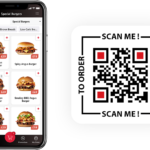
Traditional ordering involves printed menus, order sheets, and receipts, which contribute to paper waste. Self-ordering eliminates the need for excessive paper usage, as customers access menus digitally through apps or QR codes. This reduction in paper consumption translates to fewer trees cut down and less energy expended in the paper production process.
2. Energy and Resource Conservation
Self-ordering streamlines the ordering and payment process, reducing the need for additional staff to manage these tasks. This efficiency leads to energy savings and decreases the demand for resources required for manual order processing. Moreover, with the reduction in manual tasks, there is a decrease in overall energy consumption in the restaurant environment.
3. Customization and Food Waste
One of the key advantages of self-ordering is that it allows customers to customize their orders. This customization translates to more accurate food preparation, reducing the chances of leftover food that often goes to waste. By minimizing food waste, restaurants can not only cut costs but also reduce the environmental impact associated with food disposal.
4. Data-Driven Sustainability
Self-ordering systems collect valuable data on customer preferences, peak ordering times, and popular dishes. This data can be harnessed to optimize inventory management, ensuring that ingredients are ordered in quantities that minimize food spoilage. It also aids in identifying trends and preferences, allowing for menu adjustments that align with sustainability goals.
5. Reduced Carbon Footprint
By facilitating efficient ordering and minimizing wait times, self-ordering can lead to reduced congestion and shorter customer visits. This, in turn, reduces the carbon emissions associated with transportation to and from the restaurant. Shorter waiting times also mean less energy expended on climate control within the establishment.
In Conclusion
The integration of self-ordering systems into sustainable restaurant management practices is a win-win scenario. It enhances customer experiences, increases operational efficiency, and significantly reduces the environmental impact of restaurant operations. As the restaurant industry continues to evolve, embracing self-ordering as a means of fostering sustainability is a step towards a more eco-friendly and responsible future.